
Showing posts with label Midwifery. Show all posts
Showing posts with label Midwifery. Show all posts
Thursday, May 3, 2012

Saturday, October 1, 2011
The silent knitting session or support of laboring woman by staying calm
The Royal College of Obstetricians and Gynaecologists recently came to the conclusion that too many babies are born in hospitals. In other words, according to the college, it would be beneficial to increase the number of out-of-hospital births (www.bbc.co.uk/news/health-14145862). This would lead to a radical rethink of the selection and education of midwives. Outside hospitals, where women must rely entirely on the release of their natural hormones, the main preoccupation should be to protect the involuntary process of birth against situations that can inhibit it. Modern physiology can identify such situations, particularly those associated with a release of adrenaline, and those that stimulate the neocortex (the part of the brain highly developed among humans only).
The time is therefore ripe to underline the historical significance of one of the 27 workshops offered during the Mid-Pacific Conference on Birth and Primal Health Research (Honolulu, October 26–28, 2012). It will be called “The Silent Knitting Session.” The participants will realise at which point a repetitive task such as knitting (or, in Hawaii, making a wreath of flowers to be draped around the neck, for example) is an effective way to reduce the levels of adrenaline.
Since the release of adrenaline is highly contagious, the main preoccupation of an authentic midwife, after the paradigm shift, will be to maintain her own level of adrenaline as low as possible when she is close to a labouring woman. Midwives of the future will also need to train themselves to remain silent, since language is the most powerful stimulant of the neocortex. The silent knitting session will be a necessary step towards an understanding of what authentic midwifery is. We present it as the symbol of a vital new phase in the history of childbirth and midwifery.
— Michel Odent
midpacificonference@gmail.com
www.wombecology.com
The time is therefore ripe to underline the historical significance of one of the 27 workshops offered during the Mid-Pacific Conference on Birth and Primal Health Research (Honolulu, October 26–28, 2012). It will be called “The Silent Knitting Session.” The participants will realise at which point a repetitive task such as knitting (or, in Hawaii, making a wreath of flowers to be draped around the neck, for example) is an effective way to reduce the levels of adrenaline.
Since the release of adrenaline is highly contagious, the main preoccupation of an authentic midwife, after the paradigm shift, will be to maintain her own level of adrenaline as low as possible when she is close to a labouring woman. Midwives of the future will also need to train themselves to remain silent, since language is the most powerful stimulant of the neocortex. The silent knitting session will be a necessary step towards an understanding of what authentic midwifery is. We present it as the symbol of a vital new phase in the history of childbirth and midwifery.
— Michel Odent
midpacificonference@gmail.com
www.wombecology.com
Tuesday, September 6, 2011
One World Birth
Would you like to know what the most renewed experts in field of maternity health & services say? Check this!
Source : One World Birth


Source : One World Birth
Welcome to One World Birth
One World Birth is a free video resource about birth issues aimed at professionals, campaigners and parents who want to keep their finger on the pulse of what is happening in birth today.
Our dream is that this project will help inspire individuals all around the world to connect, share ideas and shout for change where change is needed. We want birth experts who are at the front line of current thinking and research to empower parents with their knowledge and wisdom so that they feel confident to make the choices that are right for them and have the birth that they deserve.
Midwives Save Lives - global petition
Source: International Confederations of Midwives
ICM has has joined forces with our partners White Ribbon Alliance and global campaigning charity Save the Children to call on heads of state around the world to increase midwifery resources for education, recruitment and retention.
Over the past two months we have gathered over 5000 signatures in 76 countries, asking governments to commit to increased investment in midwifery education and employment. Copies of the petition are now being handed over to government leaders to help raise the profile of the life saving role of midwives and to generate as much public and political support as possible, before the United Nations General Assembly.
Petition handovers around the world
 In the UK, ICM President Frances Day-Stirk (right) and representatives from WRA and Save the Children handed the petition over to Minister for Development Stephen O'Brien.

ICM has has joined forces with our partners White Ribbon Alliance and global campaigning charity Save the Children to call on heads of state around the world to increase midwifery resources for education, recruitment and retention.
Over the past two months we have gathered over 5000 signatures in 76 countries, asking governments to commit to increased investment in midwifery education and employment. Copies of the petition are now being handed over to government leaders to help raise the profile of the life saving role of midwives and to generate as much public and political support as possible, before the United Nations General Assembly.
Petition handovers around the world
- Read ICM President Frances Day-Stirk's blog about the petition and its global importance
- Watch Stephen O'Brien's speech at the hand-over
- Read Save the Children advocacy adviser on the events of the day
KIngdom of Saudi Arabia is opening registration for Midwifery Programme
Source: Al Medina
Armed forces hospital in Ryadh , Kingdom of Saudi Arabia is opening registration for Midwifery programme. This programme is the only one of its kind in the Kingdom and started in 2006.
واس - الرياض
ينظم قسم النساء والولادة بمستشفى القوات المسلحة بالرياض (برنامج القبالة) في السابع عشر من ذي القعدة القادم. وأوضح رئيس قسم النساء والولادة في المستشفى العميد طبيب سلطان بن محمد السلطان أن هذا البرنامج بدأ منذ عام 2006م وهو الوحيد على مستوى المملكة، مشيرًا إلى أن الهدف من إقامة هذا البرنامج تقديم الرعاية الصحية الشاملة للأم أثناء فترة الحمل والولادة وما بعد الولادة والتعرف على المضاعفات التي تواجه الأم والطفل أثناء الحمل والولادة وما بعدها ووضع خطط الرعاية الصحية الشاملة (الجسمانية - النفسية - الاجتماعية) وفقًا لاحتياجات الأم والطفل، إضافة لتخريج سعوديات متخصصات ذات كفاءة علمية وسريرية لتغطية النقص العام في هذا التخصص الحيوي.
Monday, September 5, 2011
Global Midwifery Council
Source: Midwifery Today
The birth of the Global Midwifery Council was in June of 2010 at the Home Child/Midwifery Today Conference in Moscow, Russia. It was born to change the paradigm of birth around the world. At international conferences, Midwifery Today has learned enough about midwifery and birth around the world to realize that birth itself is in deep trouble. The Global Midwifery Council (GMC) is an organization born to help make long term changes in how mothers and babies are treated and how midwifery is carried out. We have a mission to stop inappropriate over-medicalization in birth care!

Through international conferences and networking we have learned so many different ways to view and work with birth, such as using rebozo, which we learned from our Mexican sisters. It is necessary to turn from the over-medicalization of birth and return to a more organic, physiologic model. And the time is now.
We have a lot of work to do on many levels. Maternal death is not just a result of disease and malnutrition. I learned from my sister in Haiti recently that it is also caused by harmful cultural habits. Women there routinely douche after birth to “clean out their insides.” There is little clean water in Haiti. Women die from this. They also sit over boiling hot water after birth, often burning their labia. These habits are taught by their “aunties” as necessary, and cultural habits are hard to break.
Many cultural habits are dangerous to mothers and babies and need to be stopped; some are likely harmless or even work on levels we do not understand yet and should not be changed; others are practices the world’s midwives can put into practice and begin sharing. Discernment is of utmost importance. In Western medical culture we have many dangerous practices, too, such as cutting women open to extract their babies for no reason at all!
Birth belongs to the mother and baby, but we want them both to live! Midwifery has always been God’s design to serve mother and baby, and we are always looking for better ways serve mother and baby in our work at Midwifery Today conferences.
The birth of the Global Midwifery Council was in June of 2010 at the Home Child/Midwifery Today Conference in Moscow, Russia. It was born to change the paradigm of birth around the world. At international conferences, Midwifery Today has learned enough about midwifery and birth around the world to realize that birth itself is in deep trouble. The Global Midwifery Council (GMC) is an organization born to help make long term changes in how mothers and babies are treated and how midwifery is carried out. We have a mission to stop inappropriate over-medicalization in birth care!
Through international conferences and networking we have learned so many different ways to view and work with birth, such as using rebozo, which we learned from our Mexican sisters. It is necessary to turn from the over-medicalization of birth and return to a more organic, physiologic model. And the time is now.
We have a lot of work to do on many levels. Maternal death is not just a result of disease and malnutrition. I learned from my sister in Haiti recently that it is also caused by harmful cultural habits. Women there routinely douche after birth to “clean out their insides.” There is little clean water in Haiti. Women die from this. They also sit over boiling hot water after birth, often burning their labia. These habits are taught by their “aunties” as necessary, and cultural habits are hard to break.
Many cultural habits are dangerous to mothers and babies and need to be stopped; some are likely harmless or even work on levels we do not understand yet and should not be changed; others are practices the world’s midwives can put into practice and begin sharing. Discernment is of utmost importance. In Western medical culture we have many dangerous practices, too, such as cutting women open to extract their babies for no reason at all!
Birth belongs to the mother and baby, but we want them both to live! Midwifery has always been God’s design to serve mother and baby, and we are always looking for better ways serve mother and baby in our work at Midwifery Today conferences.
UK 'has too many hospital births'
Source: BBC

Maternity services across the UK need a radical rethink, the Royal College of Obstetricians and Gynaecologists says.

Dr Anthony Falconer: 'We all have a moral responsibility to create the best services we can'
It wants the number of hospital units cut to ensure 24-hour access to care from senior doctors and says more midwife-led units are needed for women with low-risk pregnancies.
The National Childbirth Trust welcomed the report but says the proposals do not go far enough.
NHS managers said maternity care desperately needed to be reorganised.
It wants the number of hospital units cut to ensure 24-hour access to care from senior doctors and says more midwife-led units are needed for women with low-risk pregnancies.
The National Childbirth Trust welcomed the report but says the proposals do not go far enough.
NHS managers said maternity care desperately needed to be reorganised.
Saturday, August 27, 2011
Midwifery: The Proven Tradition of Birthing
Source: Saudi Life
| Sunday, 21 August 2011 00:00 |
 THERE was a time when birth belonged to women. This was a time where they labored at home and chose only their dearest, most trusted companions to accompany them during their journey. Modesty and privacy were respected, masha’Allah. In days of old, midwifery was the common model of care and doctors were only invited in for major complications or difficulties. Midwifery, as a profession, evolved and was passed down from generation to generation. These were women who were skilled in handling most complications. But they also possessed a certain art in the gentle and patient way that they approached a woman in labor. The women who served as midwives did so out of sisterly love and a true passion to ease the hardships of birth. Our beloved Prophet (sallallahu alayhi wa sallam) said, “Whoever relieves his brother [or sister] of a hardship from the hardships of this world, Allah shall relieve him of a hardship from the hardships of the Day of Judgment. And whoever makes things easy for a person in difficulty; Allah will ease for him in this world and the Next. And whoever conceals (the faults of) a Muslim, Allah will conceal him in this world and the Next. Allah is forever aiding a slave so long as he is in the aid of his brother.” [Sahih Muslim, al-Tirmidhi, Ibn Majah and others] Birthing Modesty The field of obstetrics was formally introduced over four centuries ago. With it came an abundance of men. These were not male companions or maharm (close male relatives); they were strangers with medical training. But they didn’t take over birth right away. In Ina May’s Guide to Childbirth[1], renowned American midwife, Ina May Gaskin, explores textbook entries about childbirth in American obstetrics prior to the current hospital birthing era. She looked at texts of old and found that obstetricians were taught to wait outside the laboring women’s bedroom door until summoned in by the nurse or midwife in attendance. According to her research, there is evidence in these writings that teach about the importance of modesty in the labor and birth process. Doctors of that time respected the woman’s need to labor and birth in private and only entered if there was a true need to do so. In fact, they keenly understood how the unwelcomed or rushed presence of a male observer could actually stall or shut down even an active labor. Over the years, the obstetric model of care took over birth in the United States and many other regions of the world, including Saudi Arabia. Birth moved out of the home and into the hospital and the sisterly model of midwifery care was greatly diminished, and in some areas, completely lost. Sadly, the importance of birthing modesty is often times overlooked in a hospital setting. This can be particularly troubling in Saudi Arabia, where modesty is ingrained in the culture and deen (religion). |
Tuesday, June 28, 2011
NEWS RELEASE Global partners stand behind global standards for midwifery
ICM International Confederation of Midwives~s press release:

On the last day of the International Confederation of Midwives Triennial Congress in Durban, South Africa, global agencies have expressed their commitment to work with each other and with ICM to tackle maternal mortality. The UN Population Fund, World Health Organization (WHO), the Swedish International Development Agency (Sida) and the International Federation of Gynaecologists and Obstetricians (FIGO) have each pledged to support the implementation of ICM’s landmark global standards for midwifery education and regulation as a core strategy to tackle maternal mortality worldwide. Around 350,000 women die each year as a result of preventable complications in pregnancy and childbirth. 99% of these deaths happen in low income countries, many of which are in sub-Saharan Africa. Millennium Development Goal 5 commits countries to delivering significant improvements to maternal health worldwide but has been the slowest moving of all the MDGs so far.
‘Evidence shows that access to competent, educated and strong midwives significantly reduces maternal and infant mortality.’ said Bridget Lynch, President. ‘ICM set out on the Road to Durban three years ago, committed to reaching our destination with the tools needed to help governments around the world tackle unacceptable rates of maternal and infant mortality. Since then, we have worked with midwives of the world and our global partners to make sure we arrived with these tools in our hands. I am proud to say that we are now the first health profession in the world to have achieved global standards for the competency, education and regulation of our workforce. These, alongside the information provided by the UNFPA’s State of the World Midwifery Report will be essential to the achievement of each countries maternal mortality target.’
On the last day of the International Confederation of Midwives Triennial Congress in Durban, South Africa, global agencies have expressed their commitment to work with each other and with ICM to tackle maternal mortality. The UN Population Fund, World Health Organization (WHO), the Swedish International Development Agency (Sida) and the International Federation of Gynaecologists and Obstetricians (FIGO) have each pledged to support the implementation of ICM’s landmark global standards for midwifery education and regulation as a core strategy to tackle maternal mortality worldwide. Around 350,000 women die each year as a result of preventable complications in pregnancy and childbirth. 99% of these deaths happen in low income countries, many of which are in sub-Saharan Africa. Millennium Development Goal 5 commits countries to delivering significant improvements to maternal health worldwide but has been the slowest moving of all the MDGs so far.
‘Evidence shows that access to competent, educated and strong midwives significantly reduces maternal and infant mortality.’ said Bridget Lynch, President. ‘ICM set out on the Road to Durban three years ago, committed to reaching our destination with the tools needed to help governments around the world tackle unacceptable rates of maternal and infant mortality. Since then, we have worked with midwives of the world and our global partners to make sure we arrived with these tools in our hands. I am proud to say that we are now the first health profession in the world to have achieved global standards for the competency, education and regulation of our workforce. These, alongside the information provided by the UNFPA’s State of the World Midwifery Report will be essential to the achievement of each countries maternal mortality target.’
Monday, June 20, 2011
UN spotlights role of midwives in improving maternal and children’s health
Source: UN News Centre
17 June 2011 –
17 June 2011 –
The United Nations is set to unveil a report highlighting the vital work of midwives in ensuring that millions of women and newborn children do not die needlessly at a time when many countries still lack enough skilled staff to serve as birth attendants.The report, The State of the World’s Midwifery 2011: delivering health, saving lives, is the first of its kind and draws on data gathered from 58 countries.
Co-authored by several UN agencies – including the UN Population Fund (UNFPA), the UN Children’s Fund (UNICEF) and the World Health Organization (WHO) – and more than 20 international partners, it will be released on Monday at a global conference of midwives taking place in Durban, South Africa.
The report will examine the progress made so far on boosting the numbers of midwives, which are particularly critical to the achievement of two Millennium Development Goals (MDGs): boosting maternal health, and reducing child mortality.
Co-authored by several UN agencies – including the UN Population Fund (UNFPA), the UN Children’s Fund (UNICEF) and the World Health Organization (WHO) – and more than 20 international partners, it will be released on Monday at a global conference of midwives taking place in Durban, South Africa.
The report will examine the progress made so far on boosting the numbers of midwives, which are particularly critical to the achievement of two Millennium Development Goals (MDGs): boosting maternal health, and reducing child mortality.
Home birth is on the rise. But is it safe? (US Consumer Report)
Source: Consumer Report US , May 26, 2011.
Less than one percent of babies in the U.S. are born at home. But after years of decline, home births are on the rise. Between 2004 and 2008, the rate of home births increased by 20 percent, according to a study published online May 20 in the journal Birth. Why? Maybe alienation with hospital care—where around a third of babies were delivered by Cesarean section in 2007—has some women wanting more control over what they consider a normal, natural experience. They want, in a sense, to stay home to stay safe. But are they right? Is home birth safe?

While the question is a polarizing one, at least in this country, several professional organizations say it can be for low-risk pregnancies if necessary precautions are taken. That includes the World Health Organization, the American Public Health Association, the National Perinatal Association, and the American College of Nurse-Midwives.
Midwifery in Arab/ Middle East Countries
UN just published State of World` s Midwifery 2011, covering some 58 countries in all regions of the world.

I would like to focus on Middle East/ Arab countries. Reports are available from following countries:
1. UAE
2. Gulf Countries
"Increasing women's access to quality midwifery has become a focus of global efforts to realize the right of every woman to the best possible health care during pregnancy and childbirth"
I would like to focus on Middle East/ Arab countries. Reports are available from following countries:
1. UAE
"It is clear the women do not know what a midwife is and many women think that they are safer with care from a doctor. Based on the results of this research a marketing strategy has been developed to promote the role of the midwife as the expert in normal birth and work has begun both with the medical profession and women to improve the profile and status of midwifery in the UAE"
2. Gulf Countries
"If only considering the percentage of deliveries attended by skilled health personnel and the maternal mortality ratio, the nearly 22 Arab States can be divided into three groups (Table 1). The first, where both indicators are balanced, contains small, rich Gulf countries as well as middle-income countries such as Tunisia, where the government has adopted a holistic, multi-disciplinary health strategy including the investment in training and empowering midwives. Also in this group are countries such as Palestine, where despite an instable and insecure environment, important and well-structured NGO interventions ensure good maternal health care. In the second group, both indicators are high and this can be explained by geographical, social, cultural and economic factors including the weak quality of maternal health services, as in Djibouti, and over-medicalization and low profile of midwifery as in Lebanon and until recently in the United Arab Emirates. The third group has countries where the percentage of births attended by skilled health personnel is low and the maternal mortality ratio is high. In addition to other factors, the situation in most countries in this group (including Morocco, Sudan and Yemen) can be linked to the lack of availability, accessibility and affordability of maternal services in remote and rural areas"
State of World`s Midwifery UAE 2011
In order to promote the role of the midwife it is necessary to find out what the lay perception
is of the role. This research surveyed women’s views United Arab Emirates (UAE) and
enabled the planning of a marketing strategy to promote midwifery. A semi-structured
questionnaire was distributed in English and Arabic during routine antenatal sessions. The
381 questionnaires that were returned were from women from 27 different nationalities all
planning to give birth in the UAE. The questionnaire consisted of 12 statements to which
respondents were asked to tick either ‘right’, ‘wrong’ or don’t know.
is of the role. This research surveyed women’s views United Arab Emirates (UAE) and
enabled the planning of a marketing strategy to promote midwifery. A semi-structured
questionnaire was distributed in English and Arabic during routine antenatal sessions. The
381 questionnaires that were returned were from women from 27 different nationalities all
planning to give birth in the UAE. The questionnaire consisted of 12 statements to which
respondents were asked to tick either ‘right’, ‘wrong’ or don’t know.
State of World`s Midwifery
UNFPA just published State of World`s Midwifery. Midwives are primary health care providers providing care for low-risk women during pregnancy, labour, after delivery, including the care for babies.
Increasing women's access to quality midwifery has become a focus of global efforts to realize the right of every woman to the best possible health care during pregnancy and childbirth. A first step is assessing the situation.
The State of World's Midwifery 2011: Delivering Health, Saving Lives, supported by 30 partners, provides the first comprehensive analysis of midwifery services and issues in countries where the needs are greatest.
The report provides new information and data gathered from 58 countries in all regions of the world. Its analysis confirms that the world lacks some 350,000 skilled midwives -- 112,000 in the neediest 38 countries surveyed -- to fully meet the needs of women around the world. The report explores a range of issues related to building up this key health workforce.
This page includes access to the full report in three languages, as well as related resources, applications, bibliographical information, individual country profiles and stories of midwives.

Friday, June 10, 2011
Vision of Midwifery by GMC
Midwifery Today is Magazine for Midwives from Midwives. We also have a beautiful online international community where we exchange our experiences and latest progress. Now we hope to go further and create Global Midwifery Council, which will advocate for the best care for mothers and babies
Global Midwifery Council
I have been blessed with many international connections, as well as the ability to travel around the world for Midwifery Today conferences. As far as midwifery and birth are concerned, the situation everywhere is desperate and deteriorating. It is incredibly important for each one of us to do whatever we can to reverse this trend. Motherbaby deserves better. For the past 25 years, writers for Midwifery Today magazine have shared news and information from all over the world. Through conferences, we have met thousands of excellent but struggling midwives. The possibility of a miracle birth for every motherbaby is the goal. The health, and possibly even the survival, of people depend on what we do or don’t do now. This is why the Global Midwifery Council (GMC) was birthed.
Amazing things happen when we meet in Russia, and it was during the joint Midwifery Today/Domashniy Rebenok conference in Russia last year that GMC was born. We have a great group of women working on goals, definitions and NGO status for the organization.
The GMC’s primary goal is to fight for the human rights of every birthing mother and baby. International training, recognition of family-centered midwifery, preserving and encouraging traditional midwifery, separating midwifery from the medical hierarchical model and giving an international voice to those who already work so hard and need recognition are among the GMC’s many other goals. We plan to help the people of every country who ask for help with midwifery or birth.
BirthKuwait meeting in Midwifery Today Magazine
Midwifery Today mentioned meeting BirthKuwait in their newsletter. Thank you! We are working on our web site which will be coming in fall.
BirthKuwait
It is my pleasure to inform you about the establishment of a new, volunteer-run organization: BirthKuwait. The mission of BirthKuwait is to provide evidence-based information and resources to a) help women in Kuwait have positive, healthy and safe births, b) empower women to advocate for improved maternity services and c) increase transparency in maternity services through the creation of a central, information-based Web site, an online birth survey and new training opportunities for doulas, lactation consultants and childbirth educators.
For a full report on the first meeting of BirthKuwait, visit: http://midwiferyinkuwait.blogspot.com/2011/05/meeting-birth-kuwait-may-5th-2011_09.html
— Zuzana Nadova
Wednesday, June 8, 2011
Midwives challenge Cameron's vision of NHS Modernisation & Broken Pledges for Maternity Care
RCM The Royal College of Midwives released their statement on proposed vision of the Maternity Care in UK.
For embargoed release, 1:45 p.m. Tuesday, 7th June 2011
RCM General Secretary Cathy Warwick, who attended David Cameron’s speech on the modernisation of the NHS and an update on the progress of the ‘Listening Exercise’ today at 1:45 p.m. at the National Hospital for Neurology and Neurosurgery, UCLH;, said: “We are concerned that you can’t change a massive organisation like the NHS without listening to the staff and the public. David Cameron has not honoured his pre-election pledge to recruit 3,000 more midwives, so how can we trust him not to break his promise on these pledges?”
RCM General Secretary Cathy Warwick, who attended David Cameron’s speech on the modernisation of the NHS and an update on the progress of the ‘Listening Exercise’ today at 1:45 p.m. at the National Hospital for Neurology and Neurosurgery, UCLH;, said: “We are concerned that you can’t change a massive organisation like the NHS without listening to the staff and the public. David Cameron has not honoured his pre-election pledge to recruit 3,000 more midwives, so how can we trust him not to break his promise on these pledges?”
Wednesday, June 1, 2011
Birthing with the Doula in UAE
Gulfnews UAE reports about increasing number of women birthing with Doula (birth companion) in UAE ( United Arab Emirates).

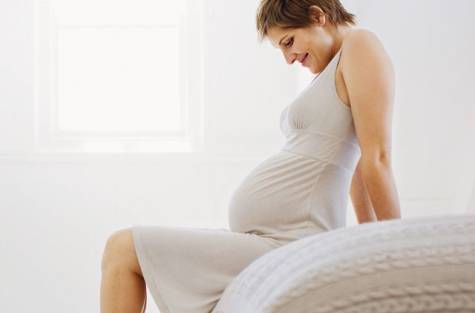
- The word 'doula' comes from ancient Greek meaning 'a woman who serves', and is now used to refer to a trained and experienced professional who provides continuous physical, emotional and informational support to the mother before, during and just after birth.
Giving birth is hard labour, literally, and expectant mothers need all the help they can get to ensure their delivery is as stress free as possible. But being far from home can mean having a baby without a familiar support system in place, which is why more and more women in the UAE are enlisting the help of a doula - women with no medical experience who provide emotional and physical comfort before, during and after birth and empower mothers to make the right choices.
Sunday, May 22, 2011
Midwives shine a soft light on culture of fear
Sydney Morning Herald writes about birthing culture in Australia.
HOT showers, soft lighting, ambient music and hospital staff dressed in casual clothing could be part of the maternity ward of the future, as midwives look for ways to remove the culture of fear surrounding birth.

An education program initiated by midwives called The Creative Push hopes to reduce caesarean rates, which account for nearly one in three births in NSW.
Tuesday, May 17, 2011
Midwife-led model of care about childbearing women. (Cochrane)
Midwife-led model of care about childbearing women is topic of research of many studies. I wrote about the socioeconomic aspect in my previous post Socioeconomic value of Midwife (by RCM)
The Cochrane Library published Intervention Review about better delivery outcomes with fewer interventions.
Marie Hatem,, Jane Sandall, Declan Devane, Hora Soltani, Simon Gates:Midwife-led versus other models of care for childbearing women.
The Cochrane Library published Intervention Review about better delivery outcomes with fewer interventions.
Marie Hatem,, Jane Sandall, Declan Devane, Hora Soltani, Simon Gates:Midwife-led versus other models of care for childbearing women.
"The underpinning philosophy of midwife-led care is normality, continuity of care and being cared for by a known and trusted midwife during labour. There is an emphasis on the natural ability of women to experience birth with minimum intervention.
The review of midwife-led care covered midwives providing care antenatally, during labour and postnatally. This was compared with models of medical-led care and shared care, and identified 11 trials, involving 12,276 women. Midwife-led care was associated with several benefits for mothers and babies, and had no identified adverse effects.
The main benefits were a reduction in the use of regional analgesia, with fewer episiotomies or instrumental births. Midwife-led care also increased the woman's chance of being cared for in labour by a midwife she had got to know, and the chance of feeling in control during labour, having a spontaneous vaginal birth and initiating breastfeeding. However, there was no difference in caesarean birth rates.
Subscribe to:
Posts (Atom)